Aditi Deodhar

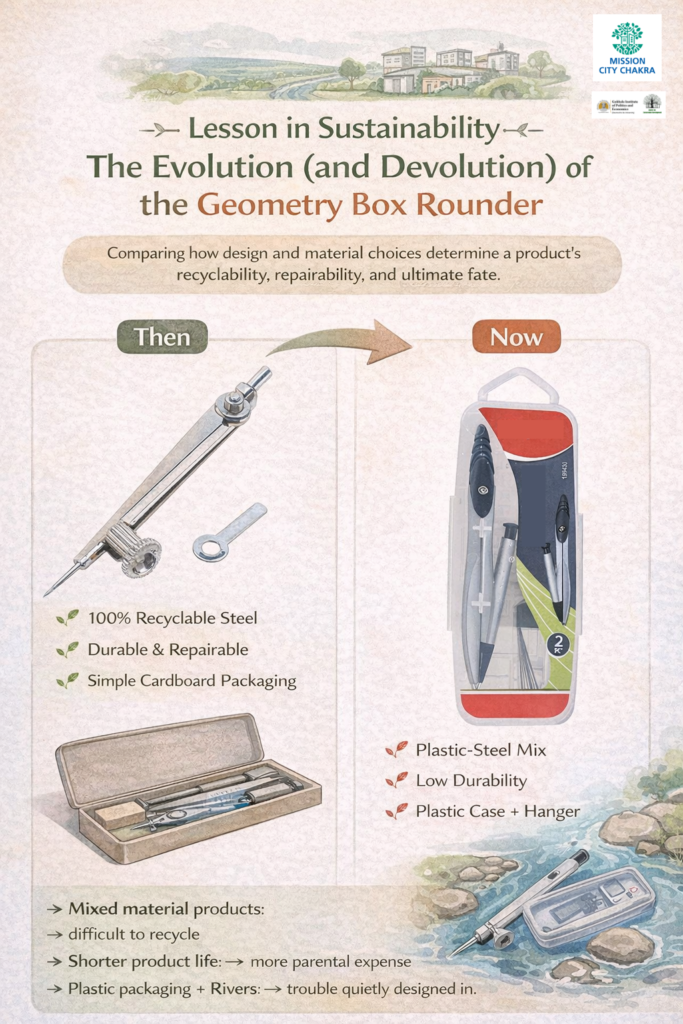
What a Geometry Box Rounder Teaches Us About Sustainable Design

A reflection by Aditi Deodhar on how design and material choices determine sustainability, using the everyday geometry box rounder to show how mixed materials, unnecessary packaging, and design decisions quietly create waste that ends up in rivers. Introduction: Sustainability Is Hidden in Ordinary Objects When we think about unsustainable products, we often imagine large, industrial […]

What a Geometry Box Rounder Teaches Us About Sustainable Design Read More »

Designing the End at the Beginning

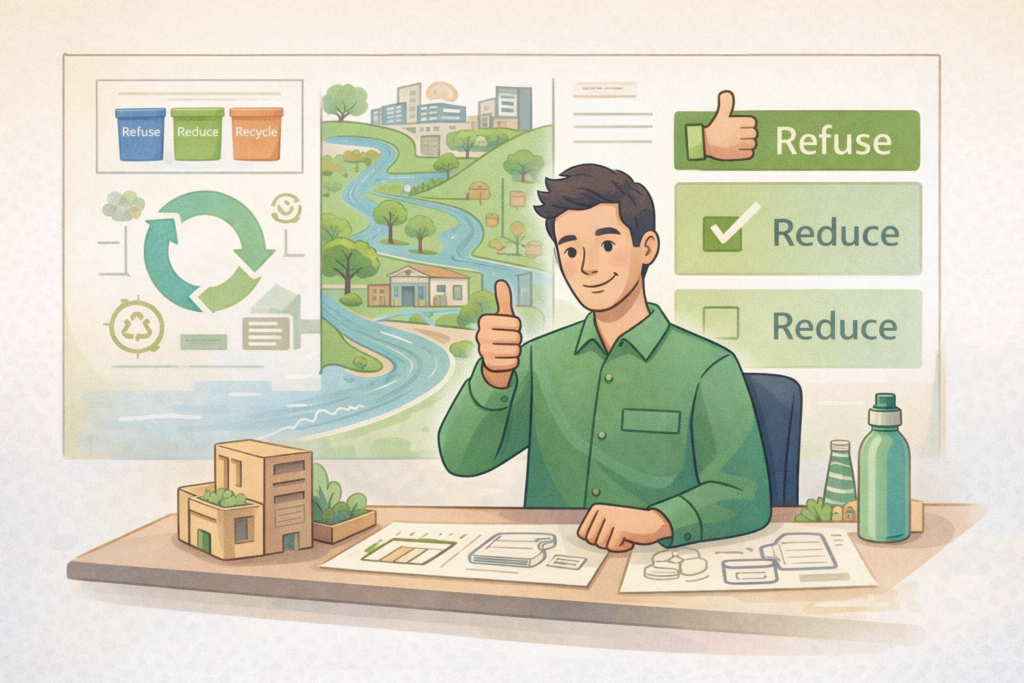
Why a Product’s Afterlife Is Decided at the Design Table A reflective, collaborative blog for product designers on how end-of-life outcomes are decided during the design phase—and why refusing unnecessary elements, avoiding mixed materials, and adopting supportive sustainability frameworks is the need of the hour. Introduction: Designers Shape Futures—Often Invisibly Every product tells two stories.

Designing the End at the Beginning Read More »

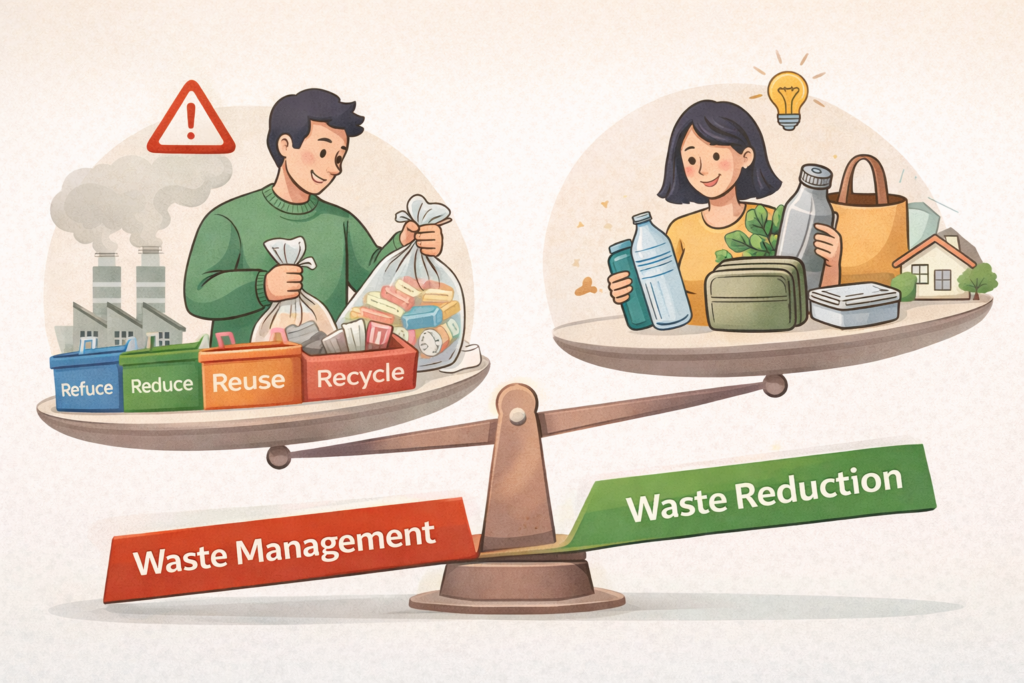
The Core Shift: From Waste Management to Waste Reduction

A simple decision-making guide that helps households choose safer, sustainable products using a Product Audit Matrix based on utility, health impact, material choice, and recyclability. Introduction: Why “Recyclable” Is the Wrong First Question Most people try to be responsible consumers.They ask questions like: Is this recyclable? Is this eco-friendly? Where do I throw this? But

The Core Shift: From Waste Management to Waste Reduction Read More »

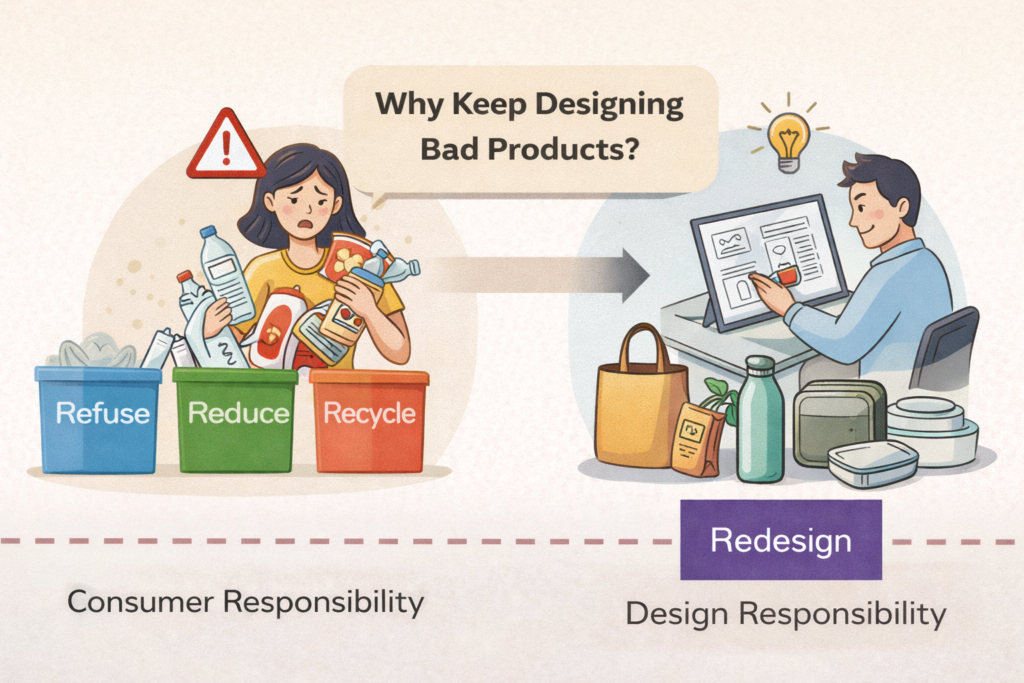
Why the “R Framework” Must Move Upstream

From Consumer Responsibility to Design Responsibility The R Framework is often framed as a consumer responsibility. In this blog, Aditi Deodhar explains why real waste prevention must begin at the design stage—before products reach consumers—and why redesign is the most powerful intervention Introduction: Why Are Consumers Asked to Fix a Design Problem? Every sustainability conversation

Why the “R Framework” Must Move Upstream Read More »

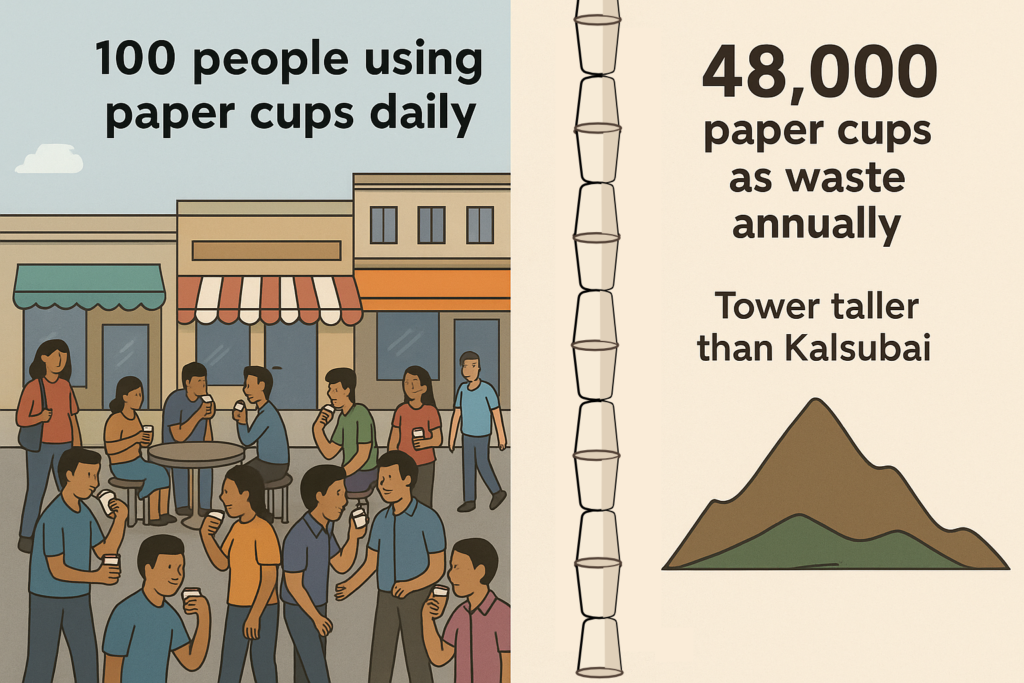
Zero-Waste Offices: How One Mug and One Administrator Can Stop 48,000 Paper Cup Waste a Year

The Daily Tea-Coffee Habit We Never Question In most offices, tea and coffee arrive in paper cups—quietly, efficiently, and without debate. One cup.Then another.Every day. It feels harmless. But let’s pause and do the maths. The Maths of a “Small” Habit Let’s take one office employee — Mr. X. Daily: 2 paper cups Weekly: 10

Zero-Waste Offices: How One Mug and One Administrator Can Stop 48,000 Paper Cup Waste a Year Read More »

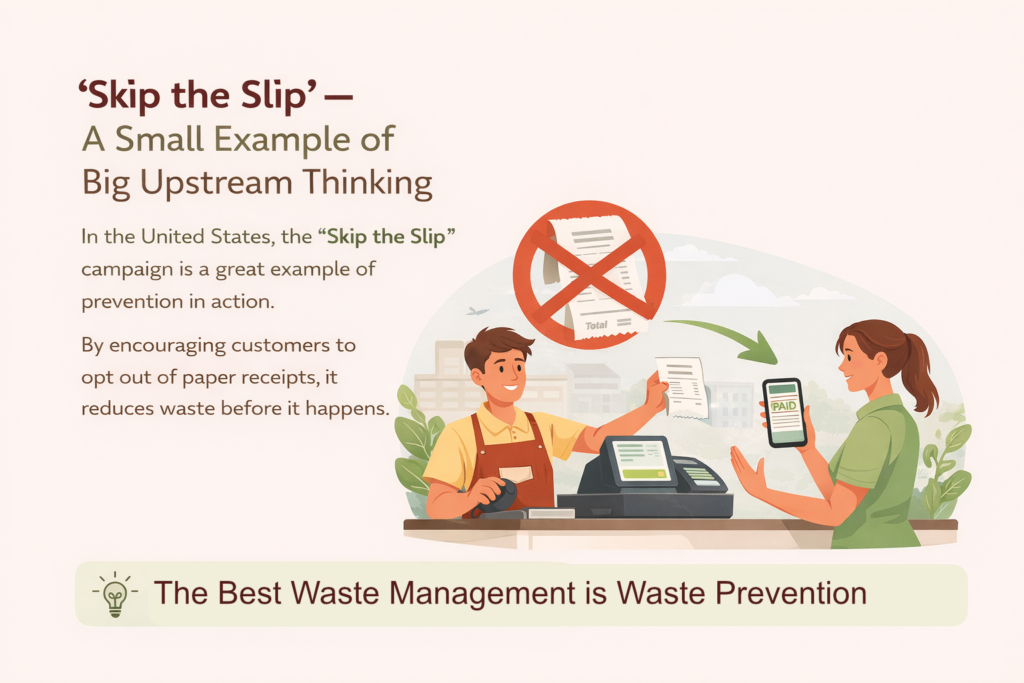
Skip the Slip: How Rethinking Receipts Can Reduce Waste and Protect Health

Discover the Skip the Slip movement in the US, why thermal paper receipts are harmful, and how opting out can reduce waste and protect health. Every day across the world, millions of shoppers receive paper receipts they quickly discard, tuck into pockets, or forget at the bottom of their bags. What feels like a small

Skip the Slip: How Rethinking Receipts Can Reduce Waste and Protect Health Read More »

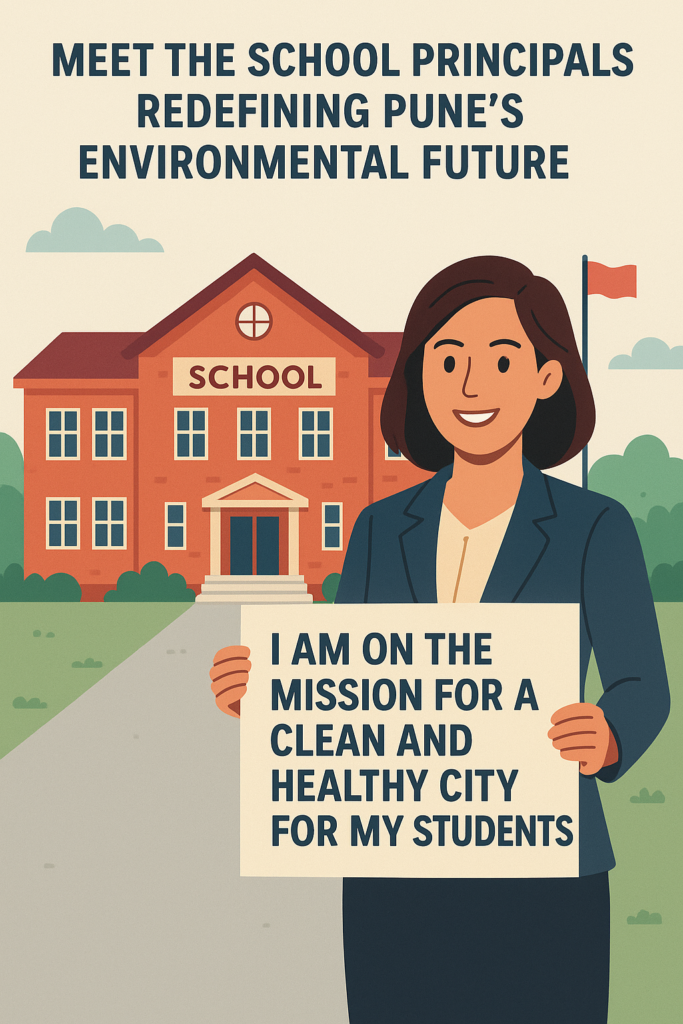
Meet the School Principals Redefining Pune’s Environmental Future

Discover how visionary school principals in Pune are acting as intermediate policymakers—driving plastic-free schools and making Mission City Chakra a city-wide success. The Environmental Challenge Cities Cannot Solve Alone Urban environmental challenges—plastic pollution, waste mismanagement, and declining public health—are often addressed through top-down policies or citizen-level appeals. What is frequently overlooked is the middle layer

Meet the School Principals Redefining Pune’s Environmental Future Read More »

Why Eliminating Plastic Tiffins Is a Policy-Level Change — Not a Lifestyle Choice

Plastic tiffins are not a personal lifestyle issue. They are a public health, waste prevention, and governance challenge. Here’s why eliminating them requires policy-level action. Reframing the Conversation: This Is Not About Personal Preference Plastic tiffins are often discussed as a choice: “People should choose better.”“Families can switch if they want to.”“It’s a lifestyle decision.”

Why Eliminating Plastic Tiffins Is a Policy-Level Change — Not a Lifestyle Choice Read More »

An Upstream Intervention in Action: How Pune’s Schoolchildren Are Preventing Plastic Pollution Before It Begins

Mission City Chakra demonstrates how child-led behaviour change and family pledges can serve as a scalable upstream intervention—preventing plastic exposure, microplastic pollution, and long-term public health costs. Why Upstream Interventions Matter in Urban Waste Policy Urban waste systems across India—including Pune—are largely designed to manage waste after it is generated. Collection efficiency, processing capacity, and

An Upstream Intervention in Action: How Pune’s Schoolchildren Are Preventing Plastic Pollution Before It Begins Read More »

How Pune’s 3 Lakh Children Are Quietly Changing the City’s Waste Future

Mission City Chakra is mobilising Pune’s schoolchildren to eliminate plastic tiffins, bottles, and textbook covers—protecting health, preventing microplastic pollution, and triggering family-level behaviour change. A Quiet Shift Is Happening in Pune’s Homes and Schools Across Pune, a silent but powerful transformation is underway. More than 3 lakh schoolchildren are participating in a simple yet far-reaching

How Pune’s 3 Lakh Children Are Quietly Changing the City’s Waste Future Read More »