
How One Family Business Has Been Preventing Waste for Over Seven Decades
If someone asked where Pune’s circular economy began, one might instinctively think of recent sustainability startups or sharing platforms.
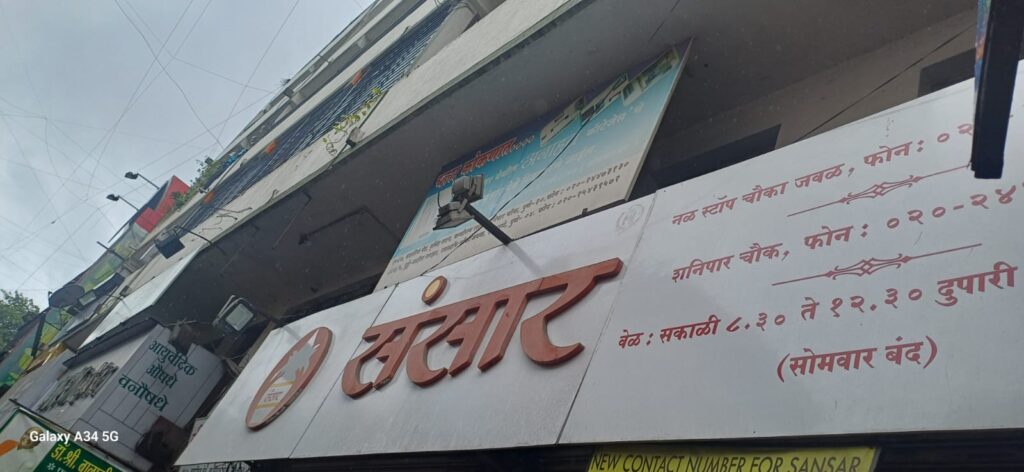
The answer, however, may lie in a modest shop on Bajirao Road.
For over seventy years, Sansar has quietly demonstrated one of the most powerful principles of sustainability:
Not everything needs to be owned. Many things simply need to be available when required.
Mission City Chakra is proud to welcome Sansar to the Pune Sustainability Map.
From Selling Utensils to Renting Them
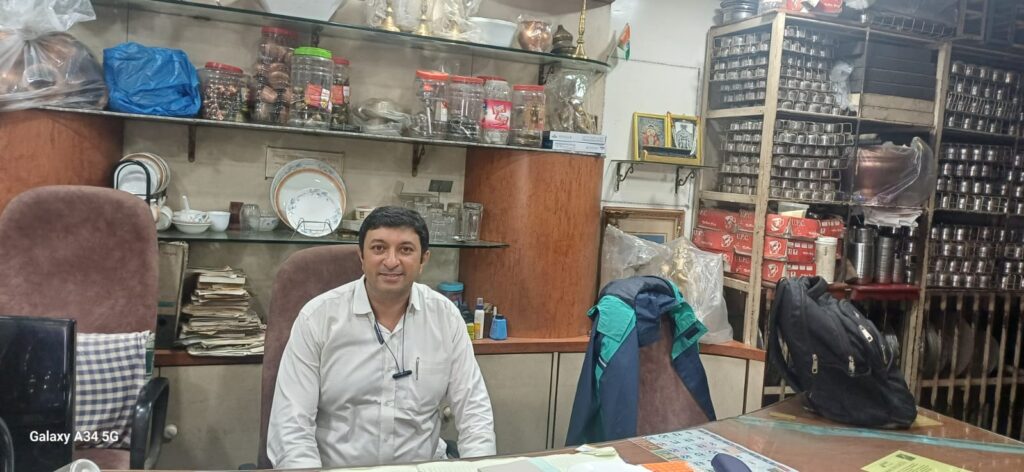
Sansar was established in 1955 by the grandfather of Mr. Satyajit Kulkarni.
Initially, it was a conventional utensil shop.
One day, customers began asking a simple question.
“We need these utensils only for one occasion. Can we return them after use instead of buying them?”
That single question transformed the business.
Instead of selling another set of utensils that would spend most of its life lying unused in a cupboard, the family started renting them.
Long before the words sharing economy, resource efficiency and circular economy entered our vocabulary, Sansar was already practising them.
Weddings Built on Reuse
In the 1950s and 1960s, weddings were very different.
Many marriages were conducted in schools during the summer vacation.
Those temporary wedding venues required hundreds of plates, bowls, serving vessels and cooking equipment—but only for a day or two.
Renting made perfect sense.
Back then, deliveries were made on bicycles and handcarts.
The business grew not because it marketed sustainability, but because it solved a practical problem.
Much More Than Utensils
Today, Sansar rents far more than plates and glasses.
Its collection includes:
* Stainless steel, brass, copper, glass and melamine dinnerware
* Cooking vessels and serving equipment
* Tables and chairs
* Decorative brass articles
* Pooja items such as paat and chourang
* Salad display counters
* Silver-plated brass serving ware
* Cradles for naming ceremonies
* Baby cradles rented for the first few months after birth
* Metal cots for new mothers
* Cots for blood donation camps
* Equipment for cultural events and social functions
The philosophy remains unchanged.
Instead of every family purchasing rarely used items, thousands of people share the same resources over many years.
Every Rental Prevents New Consumption
Every plate rented is one less plate that needs to be purchased.
Every chair rented avoids another chair sitting unused for years.
Every cradle rented prevents another product from being manufactured for just a few months of use.
Every wedding organised using rented utensils demonstrates that access can often be more valuable than ownership.
The environmental impact of this model is difficult to calculate precisely.
But imagine the numbers.
Since 1955, how many weddings, festivals, naming ceremonies, community meals, blood donation camps and family functions have relied on Sansar?
How many lakhs of disposable plates were never needed because reusable alternatives already existed?
How many tonnes of waste have quietly been prevented over seven decades?
Perhaps no one has measured it.
But its impact is undoubtedly enormous.
Choosing Better Materials
Among the most popular rental items today is glassware.
Contrary to popular assumptions, many premium events, film shoots and political programmes prefer elegant glassware because it creates a sophisticated dining experience.
Steel, glass, brass and copper are all durable and recyclable materials.
Melamine, however, presents a different story.
Mr. Satyajit Kulkarni openly shares his concerns about its use.
Although customers often choose melamine because it is lightweight and visually attractive, he believes its long-term environmental and health implications deserve greater attention.
Unlike steel or glass, melamine has very limited end-of-life options and is difficult to recycle.
His preference is clear:
Whenever possible, choose materials that can remain in circulation for decades.
Rethinking the Buffet
Mr. Kulkarni also offers an interesting observation about today’s buffet culture.
He believes the growing size of dinner plates reflects not necessity but changing social expectations.
Larger plates encourage people to serve many different dishes at once, increasing both the weight of the plate and the quantity of food left uneaten.
Traditional Maharashtrian meals, with a balanced number of dishes served thoughtfully, naturally required smaller plates and generated far less food waste.
Sometimes, reducing waste is not about changing materials.
It is about changing habits.
A Business Built on Trust
The rental system itself is remarkably simple.
Customers rent items for twenty-four hours, use them, clean them and return them.
A refundable security deposit encourages careful handling and complete returns.
Delivery services are available whenever required.
Interestingly, Sansar continues to maintain its records manually.
Mr. Kulkarni has consciously chosen not to expand aggressively through online platforms.
His reasoning is refreshingly simple.
The business already serves as many customers as it can responsibly manage.
Growth should never come at the cost of service quality.
For him, the pillars of the business remain the same as they were decades ago:
*Honesty. Punctuality. Transparency.*
Sustainability Before Sustainability Became Fashionable
When Sansar began in 1955, climate change was not part of public conversations.
Plastic waste was not yet a national concern.
No one spoke about ESG, circular economy or sustainable consumption.
The business existed simply because renting made economic sense.
Today, that same business represents one of Pune’s finest examples of resource efficiency.
It reminds us that some of our most effective sustainability solutions are not new innovations.
They are time-tested practices that deserve renewed recognition.
As cities search for ways to reduce waste and move towards a circular economy, perhaps the answers are already around us—quietly serving generations of citizens.
Sometimes, the most sustainable product is not the one we buy.
It is the one we choose to share.
Sustainability Snapshot
Location: Bajirao Road and Nal Stop, Pune
Established: 1955
Sustainability Themes
Circular Economy
Sharing Economy
Reuse over Ownership
Waste Prevention
Resource Efficiency
Durable Materials
Plastic-Free Alternatives
Why It Matters
For more than seven decades, Sansar has enabled thousands of families, institutions and community organisations to access reusable utensils, furniture and ceremonial equipment instead of purchasing items that would remain unused most of the year. It is a powerful reminder that one of the oldest business models can also be one of the most sustainable.
—
Visited and documented as part of the Pune Sustainability Map initiative by Mission City Chakra.
सात दशकांहून अधिक काळ कचरा निर्माण होण्यापासून रोखणारा एक कौटुंबिक व्यवसाय
पुण्यात Sharing Economy ची सुरुवात कुठे झाली, असा प्रश्न विचारला तर आपल्याला प्रथम आधुनिक स्टार्टअप्स, शेअरिंग प्लॅटफॉर्म्स किंवा डिजिटल व्यवसाय आठवतील.
पण त्याचे उत्तर कदाचित बाजीराव रस्त्यावरील एका दुकानात सापडेल.
सत्तर वर्षांहून अधिक काळ “संसार” हा व्यवसाय शाश्वततेचा एक अत्यंत मूलभूत सिद्धांत शांतपणे जगत आला आहे.
प्रत्येक वस्तूची मालकी असणे आवश्यक नसते. अनेक वस्तू फक्त गरज असेल तेव्हाच उपलब्ध असणे पुरेसे असते.
मिशन सिटी चक्रला पुणे सस्टेनेबिलिटी मॅपमध्ये संसारचे स्वागत करताना अत्यंत अभिमान वाटतो.
भांडी विकण्यापासून भाड्याने देण्यापर्यंतचा प्रवास
१९५५ साली श्री. सत्यजित कुलकर्णी यांच्या आजोबांनी संसारची स्थापना केली.
सुरुवातीला हे एक पारंपरिक भांड्यांचे दुकान होते.
एके दिवशी काही ग्राहकांनी एक साधा प्रश्न विचारला.
“ही भांडी आम्हाला फक्त एका कार्यक्रमासाठी हवी आहेत. ती वापरून परत दिली तर चालेल का?”
या एका प्रश्नाने संपूर्ण व्यवसायाची दिशा बदलली.
कपाटात वर्षानुवर्षे पडून राहणाऱ्या भांड्यांचा आणखी एक संच विकण्याऐवजी, कुलकर्णी कुटुंबाने ती भाड्याने देण्यास सुरुवात केली.
‘शेअरिंग इकॉनॉमी’, ‘रिसोर्स एफिशियन्सी’ किंवा ‘सर्क्युलर इकॉनॉमी’ हे शब्द आपल्या शब्दकोशात येण्याच्या कित्येक दशकांपूर्वी संसार हे तत्त्व प्रत्यक्षात जगत आहे.
पुनर्वापरावर उभे राहिलेले विवाह समारंभ
१९५० आणि १९६० च्या दशकातील विवाह सोहळे आजच्या तुलनेत खूप वेगळे होते.
उन्हाळ्याच्या सुट्टीत अनेक विवाह शाळांच्या इमारतींमध्ये होत असत.
या तात्पुरत्या विवाहस्थळांना मोठ्या प्रमाणात ताटे, वाट्या, स्वयंपाकाची भांडी, वाढण्याची भांडी आणि इतर साहित्य फक्त एक-दोन दिवसांसाठी आवश्यक असे.
अशा वेळी भाड्याने साहित्य घेणे ही सर्वात योग्य व्यवस्था होती.
त्या काळात संसारची डिलिव्हरी सायकल किंवा हातगाडीद्वारे केली जात असे.
हा व्यवसाय शाश्वततेची जाहिरात करून वाढला नाही.
तो वाढला कारण त्याने समाजाची एक प्रत्यक्ष गरज ओळखली आणि त्यावर उपाय दिला.
फक्त भांडीच नव्हे...
आज संसारमध्ये केवळ ताट-वाट्या नाहीत, तर अनेक प्रकारचे साहित्य भाड्याने उपलब्ध आहे.
यामध्ये समाविष्ट आहे—
- स्टेनलेस स्टील, तांबे, पितळ, काच व मेलामाइन डिनर सेट
- स्वयंपाकाची व वाढण्याची भांडी
- टेबल आणि खुर्च्या
- सजावटीच्या पितळी वस्तू
- पाट, चौरंग यांसारखे पूजेचे साहित्य
- सॅलड डिस्प्ले काउंटर
- चांदीचा मुलामा दिलेली पितळी भांडी
- बारशासाठी पाळणे
- नवजात बाळांसाठी काही महिन्यांसाठी भाड्याने दिले जाणारे पाळणे
- बाळंतिणीसाठी लोखंडी खाटा
- रक्तदान शिबिरांसाठी खाटा
- सांस्कृतिक, धार्मिक आणि सामाजिक कार्यक्रमांसाठी आवश्यक साहित्य
परंतु व्यवसायामागील विचार आजही तोच आहे.
प्रत्येक कुटुंबाने क्वचित वापरल्या जाणाऱ्या वस्तू विकत घेण्याऐवजी हजारो कुटुंबांनी त्याच वस्तू अनेक वर्षे सामायिकपणे वापराव्यात.
प्रत्येक भाडे म्हणजे नवीन उत्पादनाची गरज कमी
भाड्याने दिलेले प्रत्येक ताट म्हणजे विकत घ्यावे लागणारे एक ताट कमी.
भाड्याने दिलेली प्रत्येक खुर्ची म्हणजे वर्षानुवर्षे न वापरता पडून राहणारी आणखी एक खुर्ची टळली.
काही महिन्यांसाठी वापरले जाणारे पाळणे भाड्याने मिळाल्यामुळे त्यासाठी नवीन उत्पादन करण्याची गरज कमी झाली.
भाड्याच्या भांड्यांमध्ये आयोजित होणारा प्रत्येक विवाह एक गोष्ट स्पष्ट करतो—
मालकीपेक्षा उपलब्धता अनेकदा अधिक महत्त्वाची असते.
या व्यवसायामुळे पर्यावरणाला नेमका किती फायदा झाला, याचे अचूक मोजमाप करणे कठीण आहे.
पण जरा कल्पना करा…
१९५५ पासून किती विवाह, बारसे, धार्मिक कार्यक्रम, रक्तदान शिबिरे, सामाजिक उपक्रम आणि कौटुंबिक समारंभ संसारच्या सेवांवर अवलंबून राहिले असतील?
किती लाख डिस्पोजेबल ताटे वापरण्याची गरजच पडली नसेल?
किती टन कचरा या सात दशकांत निर्माण होण्यापासून वाचला असेल?
कदाचित याचे मोजमाप कोणी केले नसेल.
पण त्याचा सकारात्मक परिणाम निश्चितच प्रचंड आहे.
योग्य साहित्याची निवड
आज संसारमध्ये काचेच्या भांड्यांना मोठी मागणी आहे.
चित्रपटांचे चित्रीकरण, राजकीय कार्यक्रम किंवा उच्चभ्रू समारंभांमध्ये काचेची भांडी प्रतिष्ठेची आणि आकर्षक मानली जातात.
स्टील, काच, तांबे आणि पितळ ही सर्व साहित्ये टिकाऊ असून पुनर्प्रक्रिया करता येण्यासारखी आहेत.
मात्र मेलामाइनबाबत श्री. सत्यजित कुलकर्णी यांचे मत स्पष्ट आहे.
ग्राहक हलके वजन आणि आकर्षक दिसण्यामुळे मेलामाइन पसंत करतात, पण त्यांच्या मते ते आरोग्य आणि पर्यावरण या दोन्ही दृष्टीने चिंताजनक आहे.
मेलामाइनच्या विल्हेवाटीची समस्या गंभीर असून त्याचे पुनर्चक्रण जवळजवळ होत नाही.
त्यांचे मत सोपे आहे—
शक्य असेल तेथे अनेक दशकांपर्यंत वापरता येतील अशा साहित्यांची निवड केली पाहिजे.
बुफे संस्कृतीचा पुनर्विचार
आजच्या बुफे पद्धतीबद्दलही श्री. कुलकर्णी एक महत्त्वाचे निरीक्षण मांडतात.
त्यांच्या मते, ताटांचा वाढलेला आकार ही गरज नसून प्रतिष्ठेची कल्पना आहे.
मोठ्या ताटांमध्ये अधिक पदार्थ वाढले जातात, त्यामुळे ताटाचे वजन वाढते आणि अन्नही अधिक प्रमाणात वाया जाते.
याउलट पारंपरिक मराठी जेवणात पदार्थांची संख्या मर्यादित असल्याने लहान ताट पुरेसे ठरत असे आणि अन्नाची नासाडीही कमी होत असे.
कधी कधी कचरा कमी करण्यासाठी साहित्य बदलण्याची गरज नसते.
आपल्या सवयी बदलण्याची गरज असते.
विश्वासावर उभा असलेला व्यवसाय
संसारची भाडेव्यवस्था अतिशय सोपी आहे.
ग्राहक आवश्यक साहित्य चोवीस तासांसाठी भाड्याने घेतात, वापरून स्वच्छ करून परत करतात.
साहित्य सुरक्षित परत मिळावे म्हणून अनामत रक्कम घेतली जाते, जी सर्व साहित्य व्यवस्थित परत आल्यावर परत केली जाते.
आवश्यकतेनुसार घरपोच सेवा देखील उपलब्ध आहे.
विशेष म्हणजे, आजही संसारमधील सर्व नोंदी हस्तलिखित स्वरूपात ठेवण्यात येतात.
ऑनलाइन व्यवसाय वाढवण्याची संधी असूनही श्री. कुलकर्णी यांनी जाणीवपूर्वक तो मार्ग स्वीकारलेला नाही.
त्यांचे म्हणणे अगदी साधे आहे—
सध्या जितक्या ग्राहकांना उत्कृष्ट सेवा देता येते, तितक्यांनाच सेवा देणे अधिक महत्त्वाचे आहे.
सेवेच्या गुणवत्तेच्या बदल्यात वाढ नको.
आजही त्यांच्या व्यवसायाचे तीन आधारस्तंभ तेच आहेत—
प्रामाणिकपणा. वक्तशीरपणा. पारदर्शकता.
शाश्वतता लोकप्रिय होण्यापूर्वीच शाश्वततेचा मार्ग
१९५५ मध्ये संसार सुरू झाला तेव्हा हवामान बदल, प्लास्टिक प्रदूषण, ESG किंवा सर्क्युलर इकॉनॉमी यांची चर्चा नव्हती.
भाड्याने देण्याचा व्यवसाय सुरू झाला कारण तो आर्थिकदृष्ट्या आणि व्यवहार्य दृष्टिकोनातून योग्य होता.
आज मात्र हाच व्यवसाय पुण्यातील संसाधनांचा कार्यक्षम वापर करणाऱ्या सर्वोत्तम उदाहरणांपैकी एक ठरतो.
तो आपल्याला सांगतो की प्रभावी शाश्वत उपाय नेहमीच नवीन तंत्रज्ञानातून जन्माला येत नाहीत.
अनेक वेळा ते आपल्या समाजात पिढ्यानपिढ्या जगत आलेल्या चांगल्या पद्धतींमध्ये दडलेले असतात.
शहरे परिपत्र अर्थव्यवस्थेकडे वाटचाल करत असताना कदाचित त्यांची उत्तरे आपल्याच आजूबाजूला शांतपणे कार्यरत आहेत.
कधी कधी सर्वात शाश्वत वस्तू ती नसते जी आपण विकत घेतो.
ती असते जी आपण एकमेकांबरोबर सामायिक करतो.
शाश्वततेचा आढावा
स्थान: बाजीराव रस्ता आणि नळ स्टॉप, पुणे
स्थापना: १९५५
शाश्वततेची वैशिष्ट्ये
- परिपत्र अर्थव्यवस्था (Circular Economy)
- सामायिक वापराची अर्थव्यवस्था (Sharing Economy)
- मालकीपेक्षा वापराला प्राधान्य
- कचरा निर्मिती टाळणे
- संसाधनांचा कार्यक्षम वापर
- टिकाऊ साहित्यांचा वापर
- प्लास्टिकमुक्त पर्याय
हे महत्त्वाचे का?
सात दशकांहून अधिक काळ संसारने हजारो कुटुंबे, संस्था आणि सामाजिक संघटनांना क्वचित लागणारी भांडी, फर्निचर आणि समारंभाचे साहित्य विकत घेण्याऐवजी भाड्याने उपलब्ध करून दिले आहे. ही केवळ भाडेव्यवस्था नाही, तर संसाधनांचा पुनर्वापर, जबाबदार उपभोग आणि परिपत्र अर्थव्यवस्थेचा एक उत्कृष्ट आदर्श आहे.
पुणे सस्टेनेबिलिटी मॅप उपक्रमांतर्गत मिशन सिटी चक्रने संसारला भेट देऊन ही नोंद तयार केली आहे.