
Kalmadi Kannada Medium Pune | Sustainability Case Study | Pune Sustainability Map
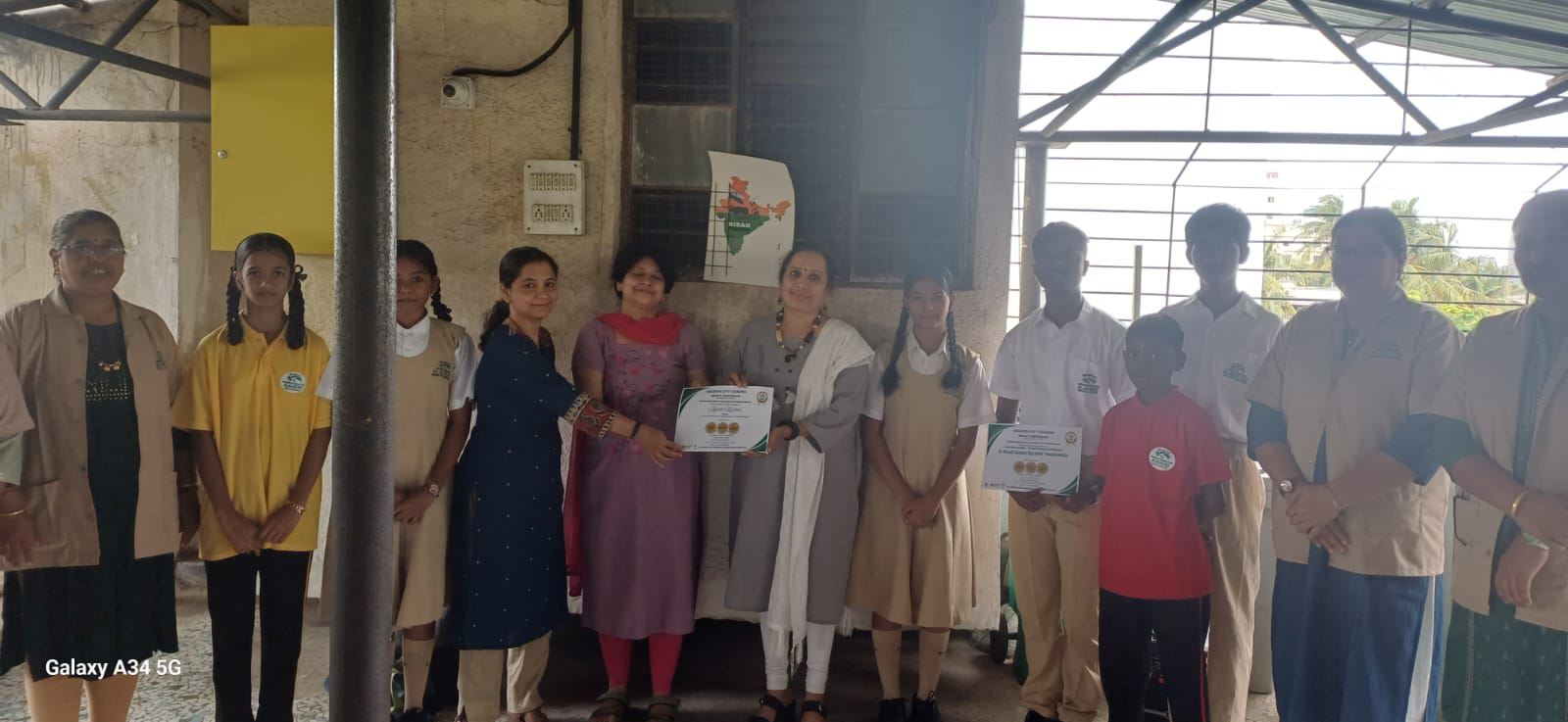
Dr. Kalmadi Shamarao High School demonstrates how sustainability begins with thoughtful decisions. From self-funded mid-day meals and steel plates to food waste reduction, composting, textbook reuse and student responsibility, the school offers a practical model that other schools can adopt.
A School Where Sustainability Begins with Care
Located in Erandwane, Pune, Kalamadi Kannada Medium School has been quietly creating a model of sustainability that goes far beyond waste management.
Established over 62 years ago through the vision of Dr. Shamrao Kalmadi, the school was created to address a very specific challenge. Children of migrant families from Karnataka often struggled to continue their education because Marathi-medium schools were difficult for them to adapt to. Recognising the importance of mother-tongue education, the school was established to provide quality education in Kannada and continues to serve students from across Pune and its outskirts, including areas such as Wagholi.
Many students travel long distances every day, often using public transport or bicycles. To support them, the school has developed a bicycle assistance programme through CSR support. Students are provided bicycles during their schooling years and return them after completing Class 10, allowing the bicycles to benefit future students.
The school caters to students from Classes 8, 9 and 10, with many students joining after completing their primary education in PMC’s Kannada-medium schools.
Mid-Day Meal with Dignity and Nutrition
One of the most remarkable initiatives at the school is its self-funded mid-day meal programme.
Unlike the government mid-day meal scheme, which covers students only up to Class 7, Kalamadi Kannada Medium School provides meals to all students of Classes 8, 9 and 10 through its own efforts.
Principal Jyoti Madam observed that many students arrived at school without having eaten breakfast. Earlier, school timings were from 11:30 a.m. to 5:00 p.m., meaning students often remained hungry for long periods. She proposed changing the school timings to begin at 9:00 a.m. so that students could receive a nutritious meal by 11:30 a.m.
This simple but thoughtful decision reflects a deep understanding of students’ realities and demonstrates how educational outcomes are closely linked to nutrition and well-being.
Steel Plates, Not Disposable Alternatives
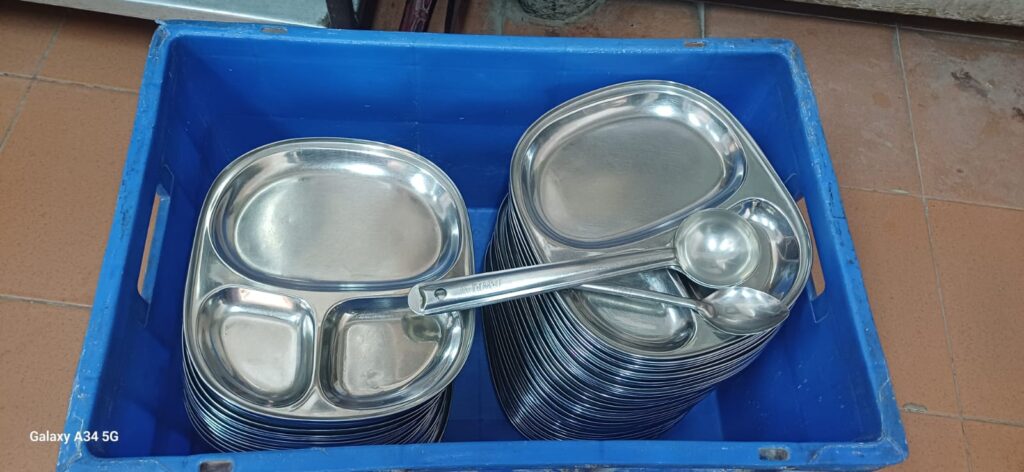
The school has adopted a clear policy of serving food only in steel plates.
Every student receives meals in durable steel utensils. The plates are cleaned, maintained and managed by the school’s housekeeping staff. The school has consciously avoided disposable alternatives, prioritising student health and waste reduction.
This initiative proves that reusable systems can work effectively when supported by institutional commitment.
Reducing Food Waste Through Observation
The school’s food waste reduction journey is particularly noteworthy because it goes beyond awareness campaigns.
Under the “Anna He Purnabrahma” initiative, food waste generated after meals is regularly measured and shared with students. This helps students understand the value of food and the consequences of waste.
However, Jyoti Madam did not stop at awareness alone. She carefully observed patterns in the food waste data and identified dishes that students consistently avoided. One such example was boondi raita, which frequently remained uneaten.
Instead of blaming students, she used these observations to redesign the menu based on actual preferences and consumption patterns.
As a result, food waste has reduced significantly.
This is an excellent example of data-driven sustainability, where measurement is used not merely for reporting but for improving systems.
Composting Food Waste and Dry Leaves
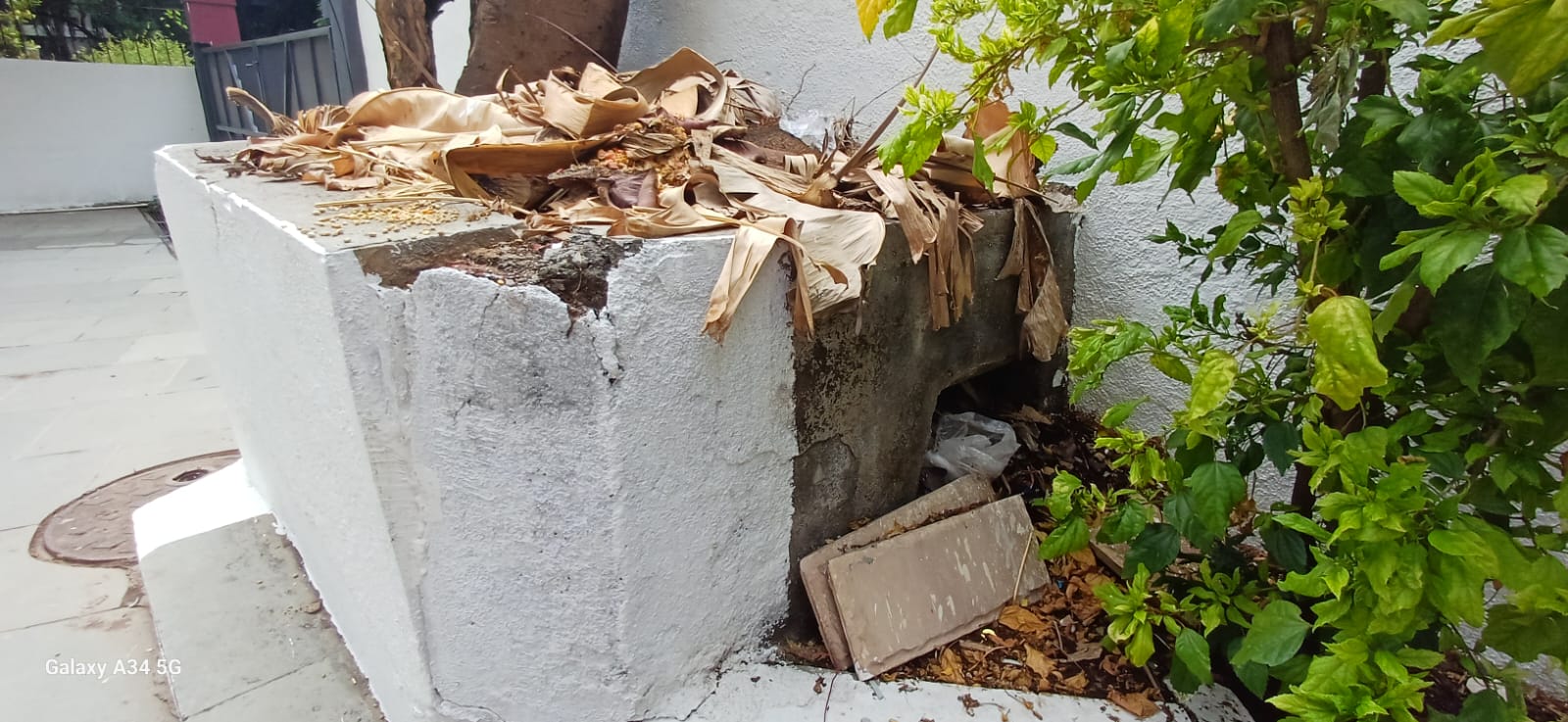
Food waste from the kitchen and dry leaves from the school premises are composted within the campus.
The school has developed a simple yet effective composting system with a constructed compost pit that allows easy harvesting of compost through an outlet at the bottom. The process is currently maintained by the housekeeping staff, and there are plans to engage students more actively in the future.
The compost supports greenery within the campus and helps close the loop on organic waste.
Making the Most of Limited Space
Despite limited space, the school has thoughtfully utilised available areas for greenery.
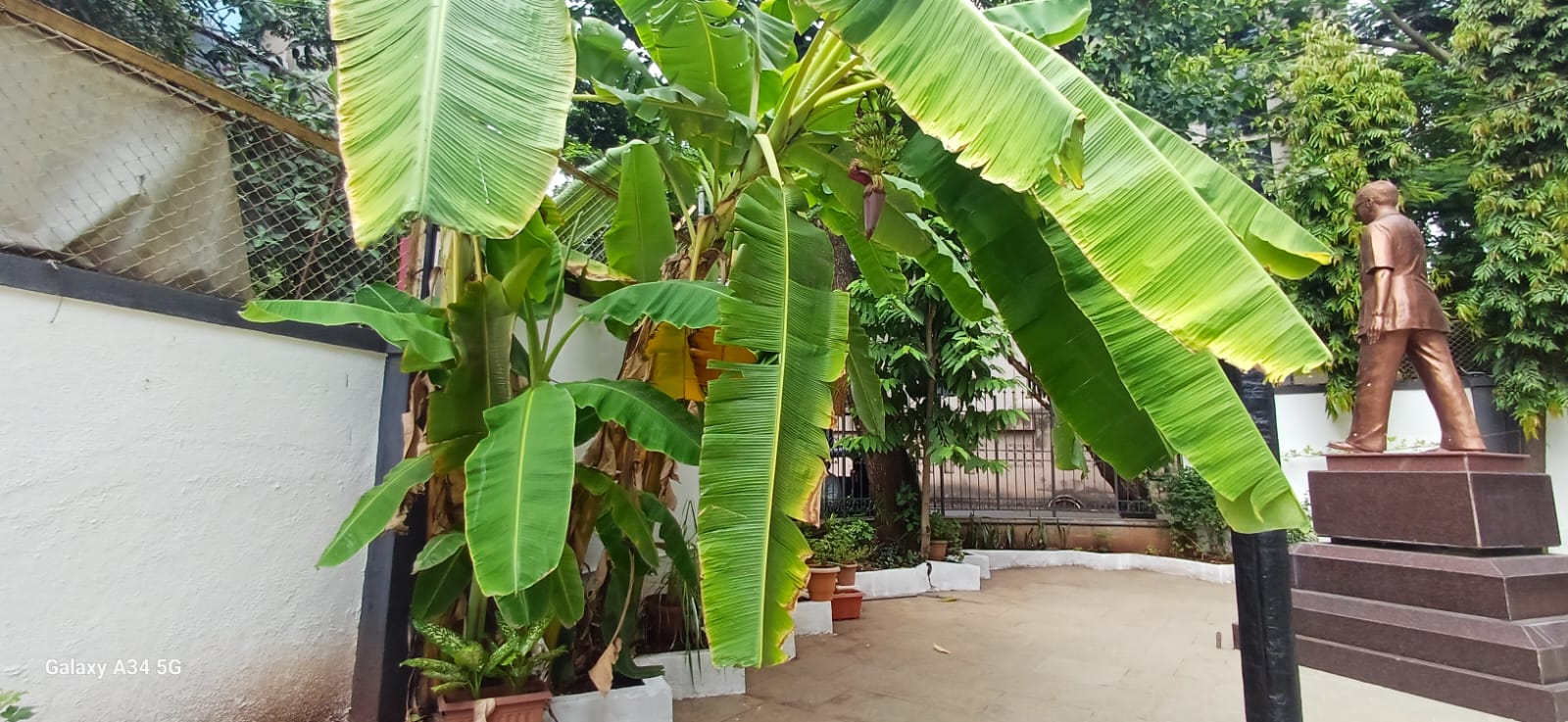
Trees have been planted along the compound wall, creating pockets of biodiversity within the campus. During our visit, we observed healthy banana plants carrying large bunches of bananas, demonstrating how even small spaces can contribute to food production and environmental learning.
Reducing Waste Through Reuse
Although students do not need to bring tiffins because of the mid-day meal programme, the school’s sustainability values are strongly communicated to students and parents.
Students commonly use steel water bottles and non-plastic textbook covers, often made from newspaper.
The school has also established a textbook reuse system in which textbooks used by senior students are passed on to younger students. This recognises a simple reality: textbooks often become waste after just one year despite remaining perfectly usable.
The initiative reduces costs for families while preventing unnecessary waste.
My School, My Service
The school’s “My School, My Service” initiative encourages students to take responsibility for their surroundings, school property and shared resources.
By fostering ownership and participation, the programme helps prevent vandalism and develops respect for community assets.
A Model Worth Replicating
What makes Kalamadi Kannada Medium School special is not any single project. It is the way sustainability is woven into everyday decision-making.
From nutrition and food waste reduction to composting, reuse, responsible consumption and student participation, the school demonstrates how environmental responsibility and social responsibility can go hand in hand.
Its model offers valuable lessons for schools across Pune, especially institutions running mid-day meal programmes.
The school reminds us that sustainability begins not with technology or infrastructure, but with care, observation and thoughtful action.
Visited and documented as part of the Pune Sustainability Map initiative by Mission City Chakra.
काळजी, संवेदनशीलता आणि शाश्वततेचा आदर्श
पुण्यातील एरंडवणे परिसरात असलेली कलमाडी कन्नड माध्यमिक शाळा ही केवळ शिक्षण देणारी संस्था नाही, तर शाश्वततेचे मूल्य दैनंदिन व्यवहारात रुजवणारी प्रेरणादायी शाळा आहे.
सुमारे ६२ वर्षांपूर्वी डॉ. शामराव कलमाडी यांच्या दूरदृष्टीतून या शाळेची स्थापना झाली. कर्नाटकातून पुण्यात स्थलांतरित झालेल्या कुटुंबांतील मुलांना मराठी माध्यमातील शिक्षणाशी जुळवून घेणे कठीण जात होते. त्यांच्या मातृभाषेत शिक्षण मिळावे या उद्देशाने ही शाळा सुरू करण्यात आली.
आजही पुणे शहर तसेच वाघोली, कात्रज, पिंपरी-चिंचवड सारख्या उपनगरांमधून विद्यार्थी येथे शिक्षणासाठी येतात. अनेक विद्यार्थी सार्वजनिक वाहतूक किंवा सायकलचा वापर करून शाळेत पोहोचतात.
विद्यार्थ्यांच्या गरजा लक्षात घेऊन शाळेने CSR निधीच्या मदतीने सायकल योजना सुरू केली आहे. विद्यार्थ्यांना सायकली दिल्या जातात आणि दहावी पूर्ण झाल्यानंतर त्या परत घेतल्या जातात, जेणेकरून पुढील विद्यार्थ्यांनाही त्याचा लाभ मिळू शकेल.
विद्यार्थ्यांच्या पोषणाची काळजी
या शाळेची सर्वात उल्लेखनीय बाब म्हणजे इयत्ता ८वी, ९वी आणि १०वीच्या सर्व विद्यार्थ्यांसाठी चालवला जाणारा मध्यान्ह भोजन कार्यक्रम.
सरकारी मध्यान्ह भोजन योजना इयत्ता ७वीपर्यंत मर्यादित असताना, कलामाडी शाळा स्वतःच्या प्रयत्नांतून सर्व विद्यार्थ्यांना जेवण उपलब्ध करून देते.
मुख्याध्यापिका ज्योती मॅडम यांनी निरीक्षण केले की अनेक विद्यार्थी सकाळी काहीही न खाता शाळेत येतात. पूर्वी शाळेची वेळ सकाळी ११.३० ते संध्याकाळी ५ अशी होती. त्यामुळे विद्यार्थ्यांना बराच वेळ उपाशी राहावे लागत असे.
त्यांनी शाळेची वेळ सकाळी ९ वाजता सुरू करण्याचा प्रस्ताव दिला, ज्यामुळे विद्यार्थ्यांना सकाळी ११.३० वाजता पौष्टिक जेवण मिळू लागले.
विद्यार्थ्यांच्या वास्तव गरजांचा विचार करून घेतलेला हा निर्णय शिक्षण आणि पोषण यांचा जवळचा संबंध अधोरेखित करतो.
स्टीलच्या ताटात जेवण
शाळेने जेवणासाठी स्टीलच्या ताटांचा वापर अनिवार्य केला आहे.
सर्व विद्यार्थ्यांना स्टीलच्या ताटातच जेवण दिले जाते. ही ताटे शाळेतील कर्मचारी स्वच्छ ठेवतात व त्यांची देखभाल करतात.
एकदाच वापरून टाकून देण्याच्या पर्यायांऐवजी पुनर्वापरक्षम प्रणालीचा अवलंब करून शाळेने आरोग्य आणि कचरा कमी करणे या दोन्ही गोष्टी साध्य केल्या आहेत.
‘अन्न हे पूर्णब्रह्म’ अभियान
अन्न वाया जाणे कमी करण्यासाठी शाळेने ‘अन्न हे पूर्णब्रह्म’ अभियान सुरू केले आहे.
जेवणानंतर उरलेल्या अन्नाचे वजन केले जाते आणि त्याची माहिती विद्यार्थ्यांना दिली जाते. त्यामुळे विद्यार्थ्यांमध्ये अन्नाविषयी आदर आणि जबाबदारीची भावना निर्माण होते.
मात्र, ज्योती मॅडम यांनी केवळ जनजागृतीवर भर दिला नाही. त्यांनी कोणत्या दिवशी आणि कोणत्या पदार्थांमध्ये जास्त अन्न वाया जाते याचे बारकाईने निरीक्षण केले.
उदाहरणार्थ, बुंदी रायता हा पदार्थ अनेकदा विद्यार्थ्यांनी न खाल्ल्याचे त्यांच्या लक्षात आले. त्यानंतर विद्यार्थ्यांच्या पसंतीनुसार मेनूमध्ये बदल करण्यात आले.
या अभ्यासपूर्ण दृष्टिकोनामुळे अन्न वाया जाण्याचे प्रमाण लक्षणीयरीत्या कमी झाले.
कॅम्पसमध्येच कंपोस्टिंग
स्वयंपाकघरातील अन्नकचरा आणि परिसरातील सुकलेली पाने यांचे कंपोस्टिंग शाळेच्या परिसरातच केले जाते.
यासाठी बांधकाम केलेला कंपोस्ट खड्डा आहे. तळाशी असलेल्या उघड्यावरून तयार झालेले कंपोस्ट सहजपणे काढता येते.
सध्या या प्रक्रियेची जबाबदारी कर्मचारी सांभाळतात. भविष्यात विद्यार्थ्यांनाही या प्रक्रियेत सहभागी करण्याचा मानस आहे.
मर्यादित जागेचा सुयोग्य वापर
शाळेच्या परिसरात जागा मर्यादित असली तरी उपलब्ध जागेचा अत्यंत कल्पकतेने वापर करण्यात आला आहे.
कंपाउंडच्या भिंतीलगत झाडे लावण्यात आली आहेत. भेटीदरम्यान आम्हाला मोठे घड लागलेली केळीची झाडे पाहायला मिळाली.
लहान जागेतही हरित उपक्रम यशस्वीपणे राबवता येतात याचे हे सुंदर उदाहरण आहे.
पुनर्वापराची संस्कृती
विद्यार्थ्यांना डबा आणण्याची गरज नसली तरी शाळा आणि पालकांमध्ये शाश्वततेचे संदेश सातत्याने पोहोचवले जातात.
विद्यार्थी प्रामुख्याने स्टीलच्या पाण्याच्या बाटल्या वापरतात. पुस्तकांना प्लास्टिक कव्हरऐवजी वर्तमानपत्रांचे कव्हर लावले जाते.
तसेच वरिष्ठ विद्यार्थ्यांची वापरलेली पाठ्यपुस्तके कनिष्ठ विद्यार्थ्यांना देण्याची व्यवस्था आहे. त्यामुळे खर्च कमी होतो आणि चांगल्या स्थितीतील पुस्तके कचऱ्यात जाणे टळते.
‘माय स्कूल, माय सर्व्हिस’
या उपक्रमाद्वारे विद्यार्थ्यांमध्ये शाळेबद्दल मालकीची आणि जबाबदारीची भावना निर्माण केली जाते.
शाळेची मालमत्ता, परिसर आणि उपलब्ध संसाधनांची काळजी घेण्याची सवय विद्यार्थ्यांना लागते. त्यामुळे तोडफोड कमी होते आणि सामूहिक जबाबदारीची जाणीव वाढते.
इतर शाळांसाठी प्रेरणादायी आदर्श
कलामाडी कन्नड माध्यमिक शाळेची खासियत कोणत्याही एका उपक्रमात नाही. तर शाश्वततेची मूल्ये शाळेच्या प्रत्येक निर्णयात आणि दैनंदिन व्यवहारात दिसून येतात.
पोषण, अन्नकचरा कमी करणे, कंपोस्टिंग, पुनर्वापर, जबाबदार वापर आणि विद्यार्थ्यांचा सहभाग या सर्व बाबी एकमेकांशी जोडून शाळेने एक आदर्श निर्माण केला आहे.
विशेषतः मध्यान्ह भोजन योजना राबवणाऱ्या इतर शाळांसाठी हा एक अभ्यासण्याजोगा आणि अनुकरणीय नमुना आहे.
ही शाळा आपल्याला सांगते की शाश्वततेची सुरुवात मोठ्या तंत्रज्ञानातून नाही, तर काळजी, निरीक्षण आणि संवेदनशील कृतीतून होते.
पुणे सस्टेनेबिलिटी मॅप उपक्रमांतर्गत मिशन सिटी चक्राच्या भेटीदरम्यान तयार केलेली नोंद.