
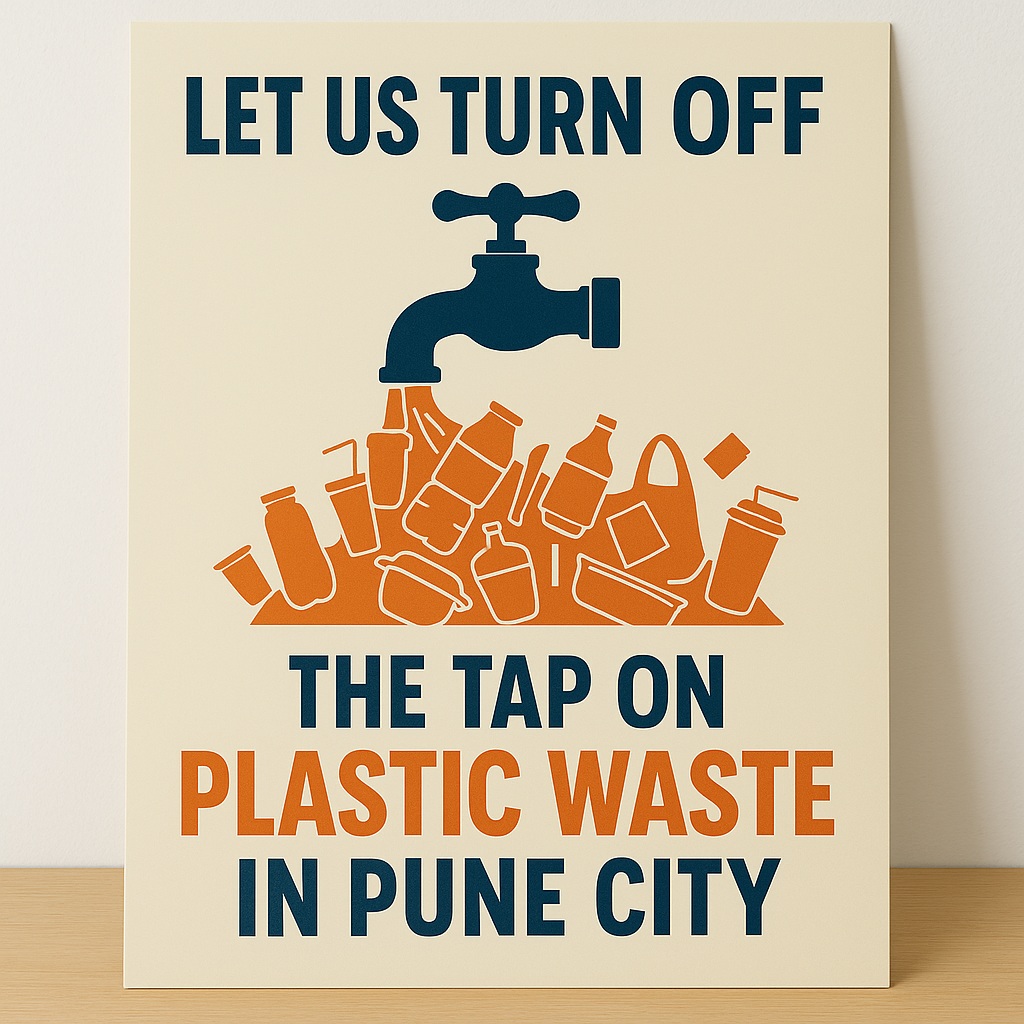
Plastic tiffins are not a personal lifestyle issue. They are a public health, waste prevention, and governance challenge. Here’s why eliminating them requires policy-level action.
Reframing the Conversation: This Is Not About Personal Preference
Plastic tiffins are often discussed as a choice:
“People should choose better.”
“Families can switch if they want to.”
“It’s a lifestyle decision.”
This framing is deeply misleading.
Plastic tiffins are not a private lifestyle issue.
They are a systemic, policy-relevant problem affecting public health, waste generation, and environmental risk.
When millions of children use plastic containers daily, the issue transcends individual choice and enters the realm of governance and prevention.
Plastic Tiffins: A Daily, Invisible Exposure Pathway
Unlike plastic bags or packaging, plastic tiffins:
come into direct contact with food
are used daily
degrade slowly through heat, washing, and wear
remain in circulation for years
This makes them a chronic exposure pathway, especially for children.
From a public health perspective, this is not a lifestyle question—it is a risk management issue.
Policy exists precisely to address risks that individuals cannot reasonably evaluate or control on their own.
Why Individual Awareness Is Not Enough
Expecting families to independently research:
material safety
chemical migration
microplastic risks
lifecycle impacts
is unrealistic and inequitable.
Policy intervention becomes necessary when:
harm is diffuse and delayed
exposure is widespread
impacts accumulate silently over time
Plastic tiffins meet all three criteria.
This is why eliminating them must be treated as a collective preventive measure, not a voluntary lifestyle upgrade.
Upstream Prevention vs Downstream Waste Management
Most urban waste policy focuses on:
collection
segregation
processing
disposal
But plastic tiffins create harm before they ever become waste.
They:
expose children to plastics during use
degrade into microplastics long before disposal
require repeated replacement, multiplying waste
Eliminating plastic tiffins is an upstream intervention—one that prevents:
exposure
waste generation
resource loss
Upstream prevention is globally recognised as the most cost-effective environmental strategy, yet remains underutilised in urban policy.
Why Steel Tiffins Are a Policy-Ready Alternative
A policy-level solution must be:
scalable
affordable
durable
culturally acceptable
Steel tiffins meet all these criteria.
They:
last decades, often a lifetime
require fewer raw materials over time
reduce manufacturing and disposal emissions
are already familiar in Indian households
This is not a behavioural leap—it is a return to a proven system.
The Cost Argument: Prevention Is Cheaper Than Management
Plastic tiffins typically need replacement every 1–2 years.
Steel tiffins:
eliminate repeated purchasing
reduce waste handling costs
conserve energy across the product lifecycle
When multiplied across thousands of households, the economic case becomes clear:
Preventing plastic use costs less than managing plastic waste.
Policy should favour the option that minimises long-term public expenditure.
Children and Schools: Legitimate Policy Entry Points
Schools are not just educational institutions—they are public health and socialisation spaces.
Regulating or guiding materials used in school meals and water consumption is:
common globally
ethically justified
administratively feasible
Using schools as intervention points ensures:
early habit formation
equitable access
rapid norm-setting
This is why initiatives like Mission City Chakra focus on schools—not because children are easier to convince, but because schools are legitimate sites for preventive policy action.
From Individual Choice to Social Norm
When plastic tiffins are framed as a lifestyle choice:
adoption is slow
inequality increases
impact remains fragmented
When they are framed as a collective standard:
norms shift quickly
compliance becomes natural
behaviour stabilises long-term
Policy’s role is not to police behaviour, but to set safer defaults.
Mission City Chakra: Demonstrating Policy in Practice
Mission City Chakra’s plastic-free tiffin initiative shows how policy logic can be applied without legislation:
child-led adoption
family-level pledges
time-bound commitments
health-first framing
This creates real-world evidence that systemic change is possible without coercion, when the policy intent is clear.
Conclusion: Stop Calling It a Lifestyle Choice
Plastic tiffins are:
a public health concern
a waste prevention issue
a resource efficiency problem
a microplastic risk
They demand policy attention, not lifestyle debates.
Eliminating plastic tiffins is not about asking families to be “more responsible.”
It is about governments, institutions, and systems creating safer, smarter defaults.
Mission City Chakra’s work reminds us that:
The most effective policies are the ones that quietly prevent harm before it begins.